End of Days Escape Room
Senior Project
https://www.youtube.com/watch?v=50jNY9clSdk&t=1s&ab_channel=1artistintraining
End of Days Escape Room was my final year project (A.K.A Senior Project) when I was studying Interactive Multimedia and Design (IMD) at Carleton University. The point of this project is to break into groups of four to six members and apply the knowledge we have learned while studying IMD. We are given a full year to create these projects from March of our third year until the beginning of April of our fourth year. At the end of our fourth year of study, we are expected to display our projects to a panel of industry judges and the general public at an event called the Senior Project Fair.
For this project, I was in a group with five other team members. We called our team. Other People. We wanted to create a unique experience that had not been displayed before at the Senior Project Fair; so we chose to create a real-life escape room.

Start

The first thing we had to do for this project was research. At this point in the project, only one of my team members had been to an escape room in the past. We went to many escape rooms to get an idea of what types of puzzles were present, and how hard they were compared to the total time. Once we felt we had a better understanding of the different puzzle progressions, we started to plan the theme and the story of our escape room.
Deciding the theme was a very important step for us. We needed to decide this right away because it would help us decide what type of puzzles would make sense in that space to keep the immersive feeling we wanted.
The idea we landed on was post-apocalyptic. The world has evolved to kill humans. For years humanity has been surviving in bunkers and underground safe houses, away from a world that has decided we are the virus. Plants poison the air outside and beasts prey on unfortunate people stuck outside unprotected. There were threats during the day and at night but sunrise or sunset was the safest time to go outside. This was the time when nature was just starting to go to sleep or just waking up.
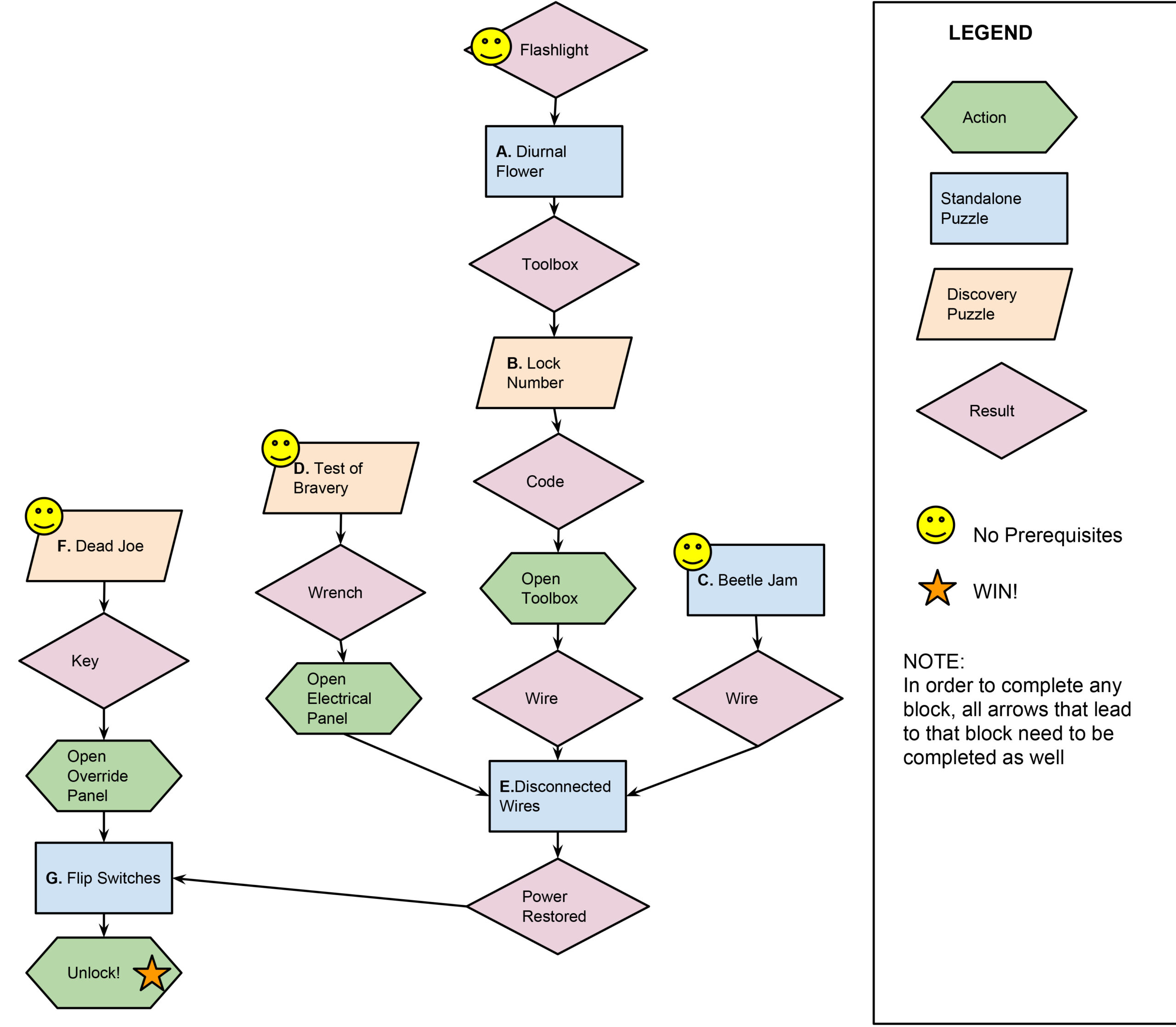
Once the theme was decided; one of my teammates and I worked together to create a puzzle progression that would be both difficult and enjoyable. We were only going to let teams in the room for 15 minutes so we did not want the puzzles to be too difficult but at the same time we did not want it to be too simple either. The image above is the final puzzle progression we went with.

The next stage of our project was to plan the layout of our room. The image to the left is the layout of our room. The room was divided into quarters with a built-in room divider in the middle of the room going in one direction.
The top left area was the escape room. This is where the players tried to complete the puzzles in order to successfully escape the room.
The bottom left is where we kept a lot of our behind-the-scenes tech. We wanted to hide this so the escape room area did not lose the immersive feeling we were trying to convey.
The top right is the waiting area. This is where the next team to go into the escape room waited and received the introduction and rules to the room.
The bottom right was where we would have a screen to watch as people tried to solve the puzzles in the room. We did this so everyone could experience the room to some degree as we could only allow so many groups to participate during the Senior Project Fair. This is also where people could ask us questions about our project.
Once this was finalized we started designing our puzzles. We had an electrical panel that needed wires to be connected in a certain way, an animatronic plant that moves up and down based on light, and an override panel. Originally we had a beetle puzzle but we scrapped it because we it was causing us problems to build so we replaced it with a tree stump with a motion sensor that would brush your arm as you got close to grabbing the necessary piece found in it. On top of these technical puzzles we had to build, we also had a combination lock and a key lock.
I was responsible for programming the flower. I used an Arduino Uno, a servo, and two photoresistors. One of my team members build the structure of the animatronic and another team member created the design concepts.
The purpose of the puzzle was to have the flower in the way of puzzle piece for another puzzle in the progression. The flower was mostly hidden behind the fence but there was a hole forming where the flower was “growing.”
With the light sensors in the middle of the flower head, the flower would move up or down towards the light. The players had to use a flashlight to lift the flower head up to expose the puzzle piece they needed.
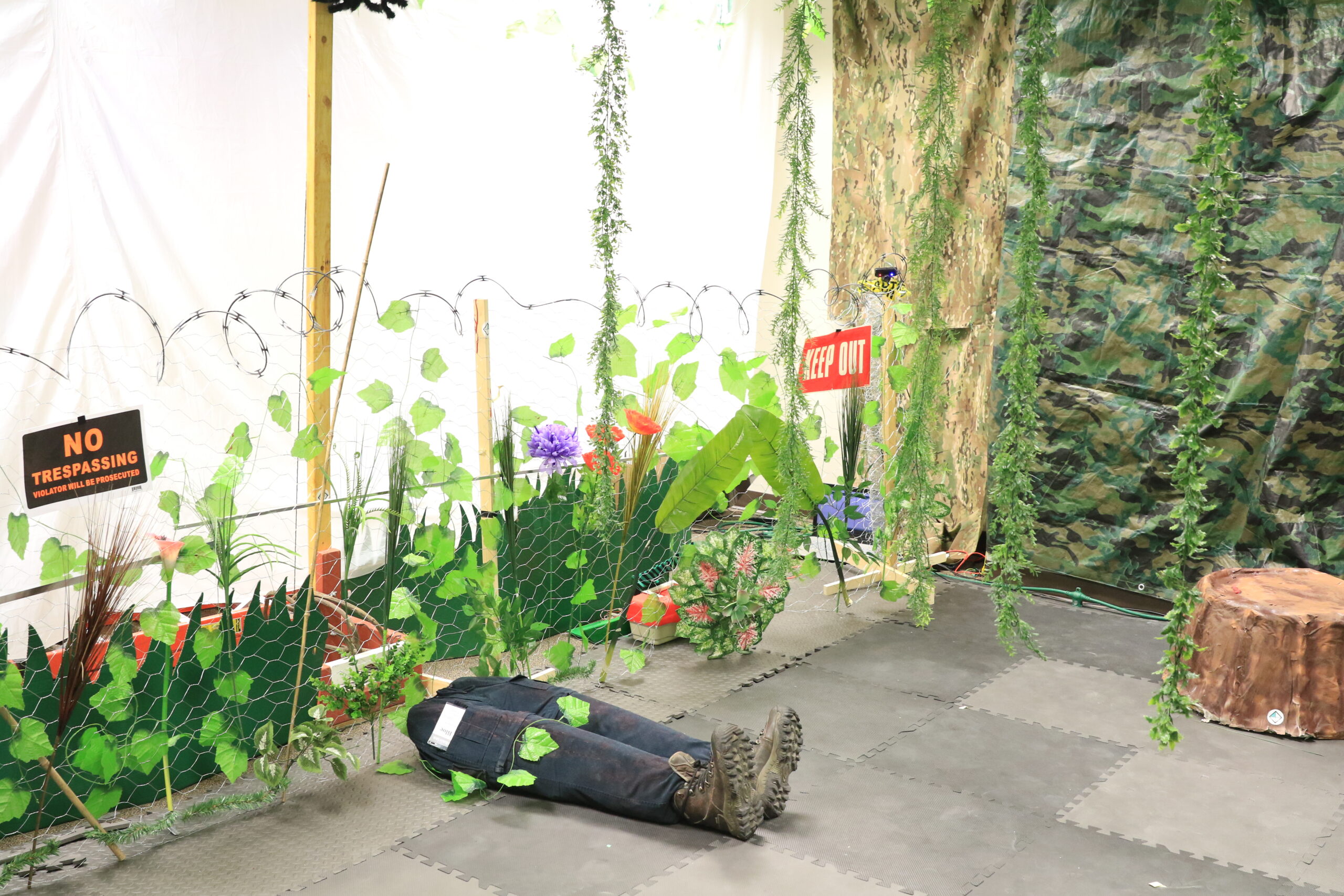
Once we had all the elements we wanted to make the room work, it was time to make the room immersive as possible. We got barbwire fencing to keep players away from the projector screen but added difficulty to finding puzzle pieces.
I was responsible for coding the lighting in the room to correspond with a sunset projection one of my team members created. To make the lights change color I used an Arduino Uno and a 5-meter RGB light strip. It took a while to figure out the coding for the lights did use half of the full RGB colour range. Once I was figured that out I was able to make the colours change in a perfect gradient.
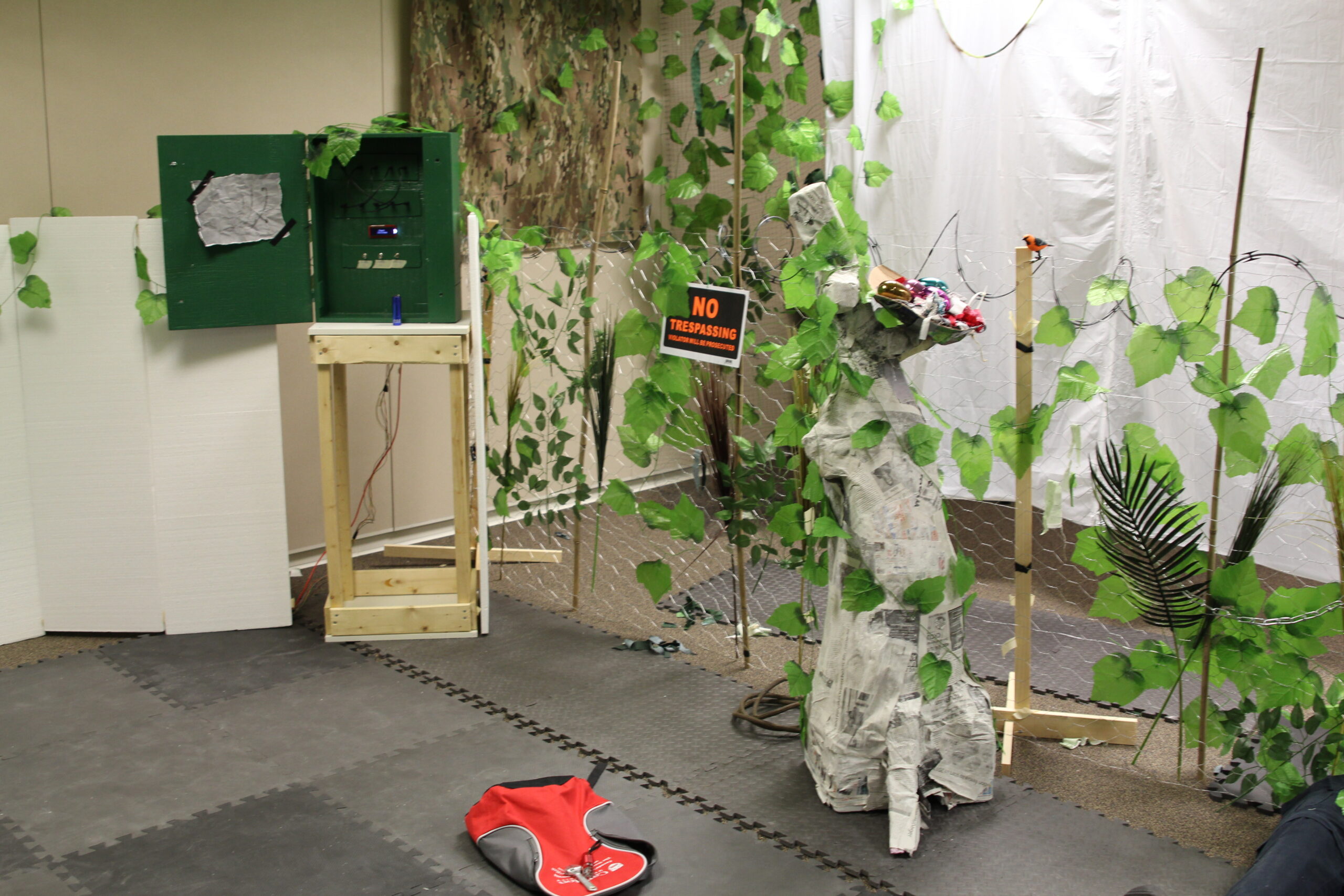
Once we had the puzzles completed and the room setup enough to be in beta, we started testing. We got other students, friends and family to playtest for us. We watched as they completed the tasks noting how long it took them to complete each puzzle, if there were any issues, and then we asked them to fill out a survey about their experience.
This was a crucial step in our process because it allowed us to see if the user experience we were trying to make was working for the intended audience.
Finally, the last step was setup for the Senior Project Fair.
We spent the night before setting up the room for the final time. Making sure we practiced our presentation for the judges, the rules to each team, and preparing for any questions we might get from someone viewing our project.
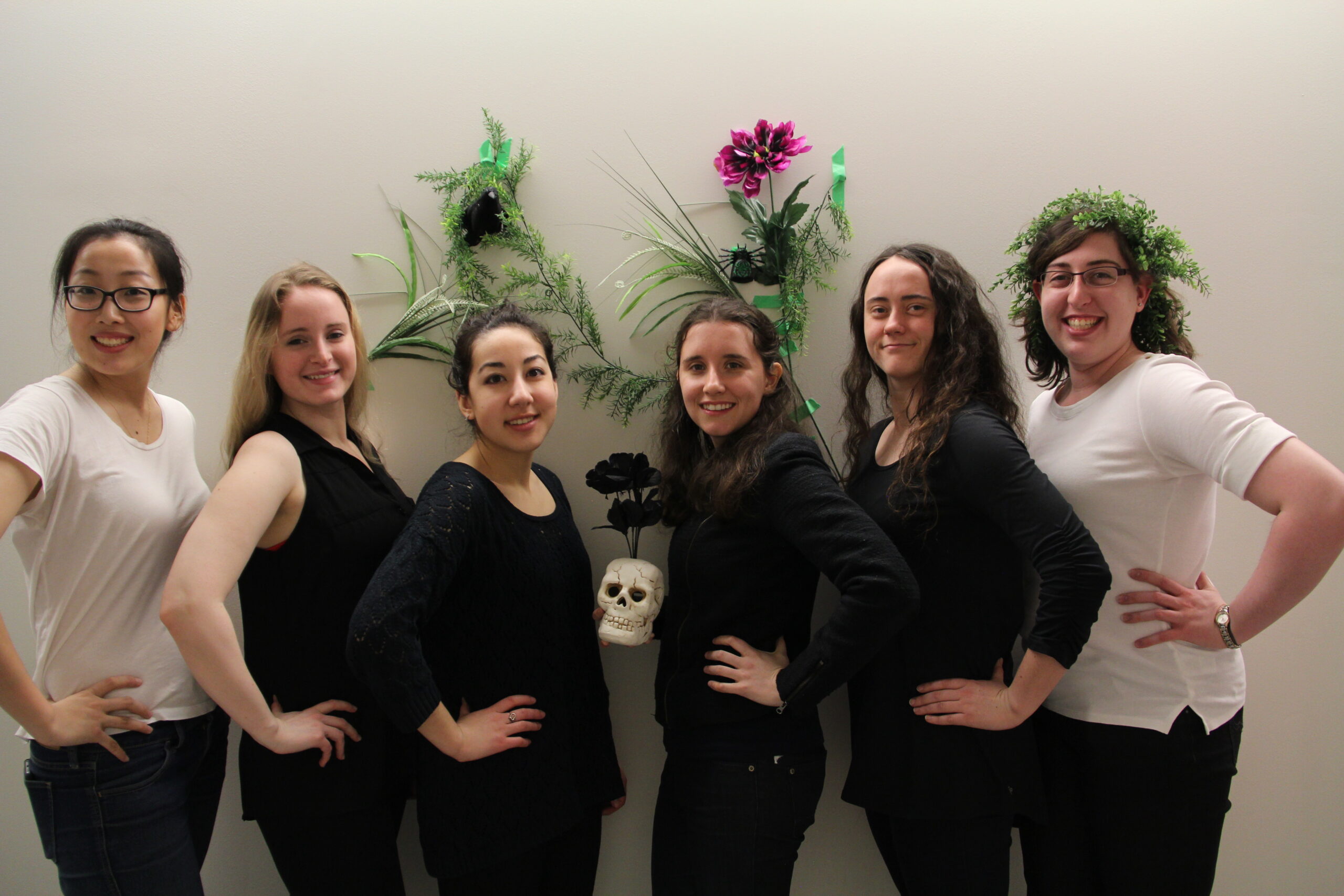
We gave our presentation to the judges, we ran multiple groups through the room without any tech breaking in the process, and we were able to breathe a sigh of relief with this project that took us a year finally done.
We won the 2016 Senior Project Fair and we were so happy all our hard work paid off.
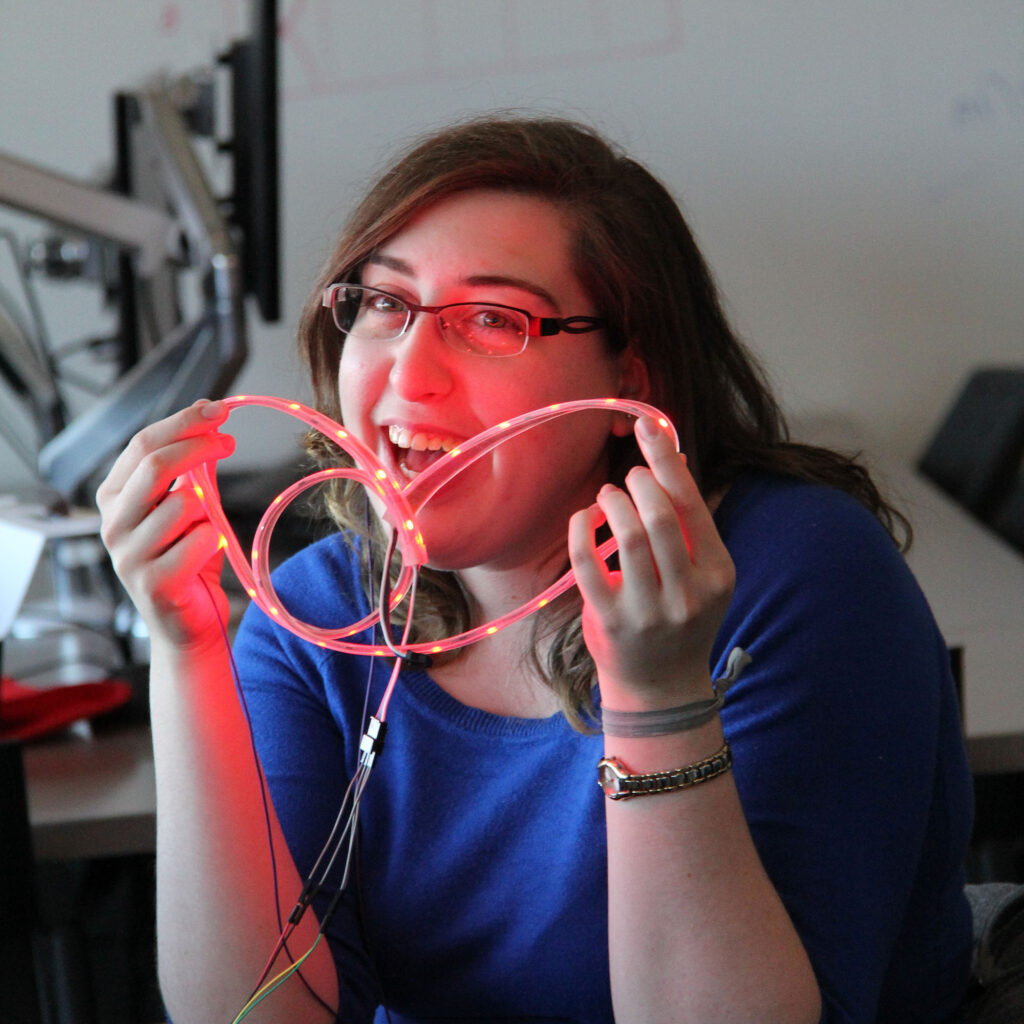
I’m proud of how this project turned out but if I was ever to recreate it I would make a few changes under the assumption money is not an issue:
- Research how to make a prop and if we can’t make it, buy it or outsource someone else to make it for us.
- Communicate expectations. This can be from what parts of the projects you want to work on to any problems that may have come up while working on a particular piece of the project.
- Make the room more immersive. We Did the best we could, but we still had areas that weren’t covered.